
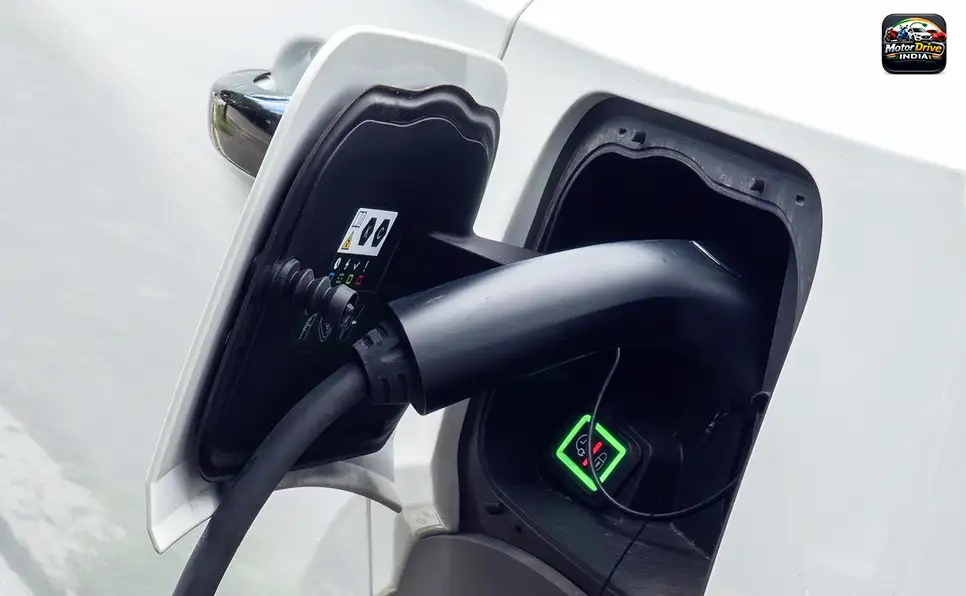
Electric vehicles (EVs) are rapidly becoming one of the most talked-about innovations in the automobile industry. Governments, manufacturers, and consumers are increasingly moving toward cleaner transportation options. But the big question many people still ask is: Is buying an electric car these days really a good decision?
With rising fuel prices, environmental concerns, and government incentives, electric cars seem attractive. However, they also come with challenges such as charging infrastructure, higher upfront cost, and battery concerns.
In this blog, we will explore whether buying an electric car is a smart decision today, along with the pros and cons of electric cars, running costs, maintenance, and who should consider purchasing one.
What Is an Electric Car?
An electric car is a vehicle that runs entirely or primarily on electric power instead of petrol or diesel. Instead of a traditional internal combustion engine, electric cars use:
- Electric motor
- Rechargeable battery pack
- Power electronics
These batteries are charged using home chargers or public charging stations.
Electric vehicles are designed to be more energy-efficient and environmentally friendly compared to conventional fuel-powered vehicles.
Why Electric Cars Are Becoming Popular
The global shift toward electric vehicles is happening for several important reasons.
1. Rising Fuel Prices
Petrol and diesel prices continue to increase, making EVs more economical for daily commuting.
2. Environmental Concerns
Electric cars produce zero tailpipe emissions, helping reduce pollution.
3. Government Incentives
Many governments provide subsidies, tax benefits, and incentives to promote electric vehicles.
4. Technological Advancements
Battery technology and charging infrastructure are improving rapidly.
Major Pros of Electric Cars
Let’s look at the biggest advantages of electric vehicles.
1. Very Low Running Cost
One of the biggest benefits of EVs is the cost of running them.
| Vehicle Type | Cost per km |
|---|---|
| Petrol Car | ₹7 – ₹10 |
| Diesel Car | ₹5 – ₹7 |
| Electric Car | ₹1 – ₹2 |
Charging an electric car is significantly cheaper than filling petrol or diesel.
For people who drive daily or long distances, the savings can be substantial.
2. Environment Friendly
Electric cars do not emit harmful gases such as:
- Carbon dioxide
- Nitrogen oxides
- Hydrocarbons
This helps reduce air pollution and climate change impact.
EVs are considered a major step toward sustainable transportation.
3. Low Maintenance Cost
Electric vehicles have fewer moving parts compared to petrol or diesel cars.
Traditional cars require:
- Engine oil changes
- Transmission maintenance
- Fuel system repairs
Electric cars eliminate many of these components.
This means lower maintenance cost over time.
4. Smooth and Quiet Driving Experience
Electric cars are known for their extremely smooth driving experience.
Benefits include:
- Instant acceleration
- No engine vibration
- Silent operation
Many EV owners say the driving experience feels more premium and comfortable.
5. Government Incentives and Subsidies
Many countries encourage electric vehicle adoption through incentives such as:
- Tax reductions
- Purchase subsidies
- Lower registration fees
- Free parking in some cities
These incentives help offset the higher initial purchase price.
Cons of Electric Cars
Despite the advantages, electric cars also have some drawbacks.
1. Higher Initial Purchase Cost
Electric cars generally cost more than petrol or diesel vehicles.
This is mainly because of the battery pack, which is the most expensive component.
However, government subsidies and falling battery prices are gradually reducing this gap.
2. Charging Infrastructure Limitations
One of the biggest challenges is the availability of charging stations.
While major cities have charging networks, smaller towns may still lack infrastructure.
Drivers may worry about where to charge their vehicle during long trips.
3. Charging Time
Charging an electric vehicle takes longer than filling petrol.
| Charging Type | Time |
|---|---|
| Home Charger | 6 – 10 hours |
| Fast Charger | 30 – 90 minutes |
Although fast charging is improving, it still requires more time compared to fuel refilling.
4. Limited Driving Range
Electric cars have limited range compared to fuel vehicles.
Most affordable EVs offer:
200 km – 450 km per charge
Luxury electric vehicles can go 500 km or more, but they are expensive.
For long-distance travelers, this may require planning charging stops.
5. Battery Replacement Cost
EV batteries typically last 8 to 10 years.
However, replacing the battery can be expensive.
Battery replacement costs may range from ₹3 lakh to ₹8 lakh, depending on the vehicle.
Fortunately, most manufacturers provide long battery warranties.
Electric Cars vs Petrol Cars
Here’s a quick comparison.
| Feature | Electric Car | Petrol Car |
|---|---|---|
| Running Cost | Very Low | High |
| Maintenance | Low | Moderate |
| Purchase Price | High | Lower |
| Emissions | Zero | High |
| Refueling Time | Slow | Very Fast |
| Driving Range | Moderate | High |
Electric cars win in operating cost and environmental impact, while petrol cars still lead in convenience and range.
Who Should Buy an Electric Car?
Electric vehicles are best suited for people who:
- Drive daily within the city
- Have access to home charging
- Want to reduce fuel expenses
- Care about environmental sustainability
- Use the car mainly for short to medium distances
When an Electric Car May Not Be Ideal
An electric car may not be the best choice if:
- You frequently travel long highway distances
- Charging infrastructure in your area is limited
- You cannot install a home charger
- You need a very low upfront purchase price
Future of Electric Cars
The future of EVs looks extremely promising.
Major automakers are investing billions in electric mobility. Many governments have announced plans to phase out petrol and diesel vehicles over the next two decades.
Expected improvements include:
- Faster charging technology
- Longer battery life
- Lower vehicle prices
- More charging stations
Within the next 5–10 years, electric cars may become the dominant form of personal transportation.
If you enjoyed reading our blog, please share it with your family and friends. Don’t forget to explore more informative content on our website and subscribe to our YouTube channel for the latest updates and automotive news.